
Übersicht
During routine overnight subsea inspection activities, an experienced ROV team observed that a critical clamp had shifted from its intended position, creating a potential risk to the integrity of the pipework.
Recognizing that the condition was abnormal, the team alerted the operator, enabling rapid assessment and early intervention.
Following the discovery, the operator initiated pressure testing to better understand the situation. The results confirmed that corrective action was required immediately. Traditional rig recovery options would have involved an extensive intervention, recovering the riser system, mobilizing additional specialist resources, and conducting replacement activities offshore. Best-case estimates suggested this process could have resulted in at least two weeks of operational disruption with actual remedial works potentially extending further depending on equipment and personnel availability.
The operator needed a faster, safer, and more efficient alternative to reposition the clamp.
Our Plan
Working closely with the operator's technical personnel, our team of six offshore ROV personnel rapidly assessed the situation and developed an ROV-based repositioning strategy.
While the scenario was highly unusual and not one the team had previously encountered, their collective subsea experience enabled them to evaluate the risk, establish a practical repositioning approach, and execute the intervention with confidence.
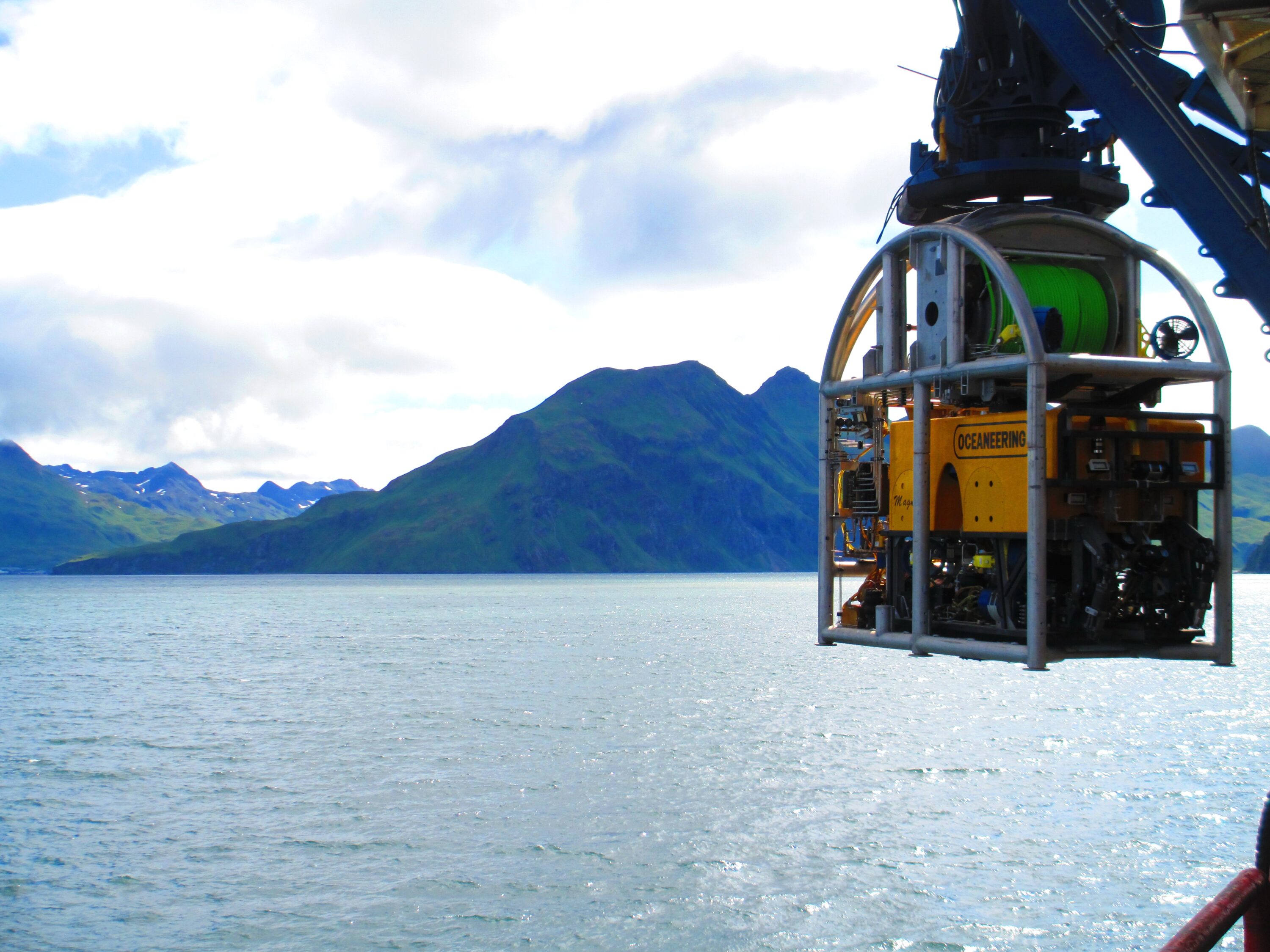
Leveraging the site’s incumbent Magnum ROV system and available offshore equipment, the team developed a method that avoided a more invasive riser recovery operation. The plan was developed overnight, with safety and controlled execution primary drivers.
The next morning, drawing on more than 40 years of a combined ROV experience with Oceaneering, the team used ROV slings, hooks, and their familiarity with the rig to strategically lift the clamp back into position and ensure its stability on the riser. The operation, planned expeditiously and as a last resort, was executed as designed with no incidents.
Once the clamp was restored to its position, the team completed follow-up pressure testing while the ROV monitored the system to verify successful intervention and confirm there were no signs of abnormal behavior within the pipework. Testing was successful, no issues were found, and the operator was able to continue operations with no disruptions.
Value Delivered
This project highlights the value of experienced ROV personnel who can do more than execute routine tasks.
By finding an emerging issue during a standard inspection scope, our team helped the operator address a potentially significant challenge before it developed into a large operational event. The discovery of the slipped clamp was a critical contribution, enabling early intervention.
Supported by the rig’s onboard ROV supervisors, pilots, and technicians with more than 40 years of combined Oceaneering experience, the team developed and executed a successful intervention strategy under demanding conditions and with significant operational and cost consequences at stake. The ROV team’s ability to assess a challenge, develop a safe solution, and execute an unplanned scope demonstrates the practical problem-solving capabilities that operators rely on during complex offshore operations.
Importantly, the ROV-led intervention eliminated the need for a widescale rig recovery campaign and helped the operator maintain operational continuity at the site. Best-case estimates indicated the intervention helped the operator avoid at least two weeks of downtime along with the costs associated with mobilizing specialist support, recovering the riser, and executing a larger remediation campaign.
The project demonstrated how experienced ROV personnel combine vigilance, technical expertise, and practical problem-solving to address unexpected subsea challenges. By identifying the issue early, developing a novel intervention strategy, and executing the repositioning safely, the team helped the operator maintain operational continuity while avoiding a potentially significant disruption.