
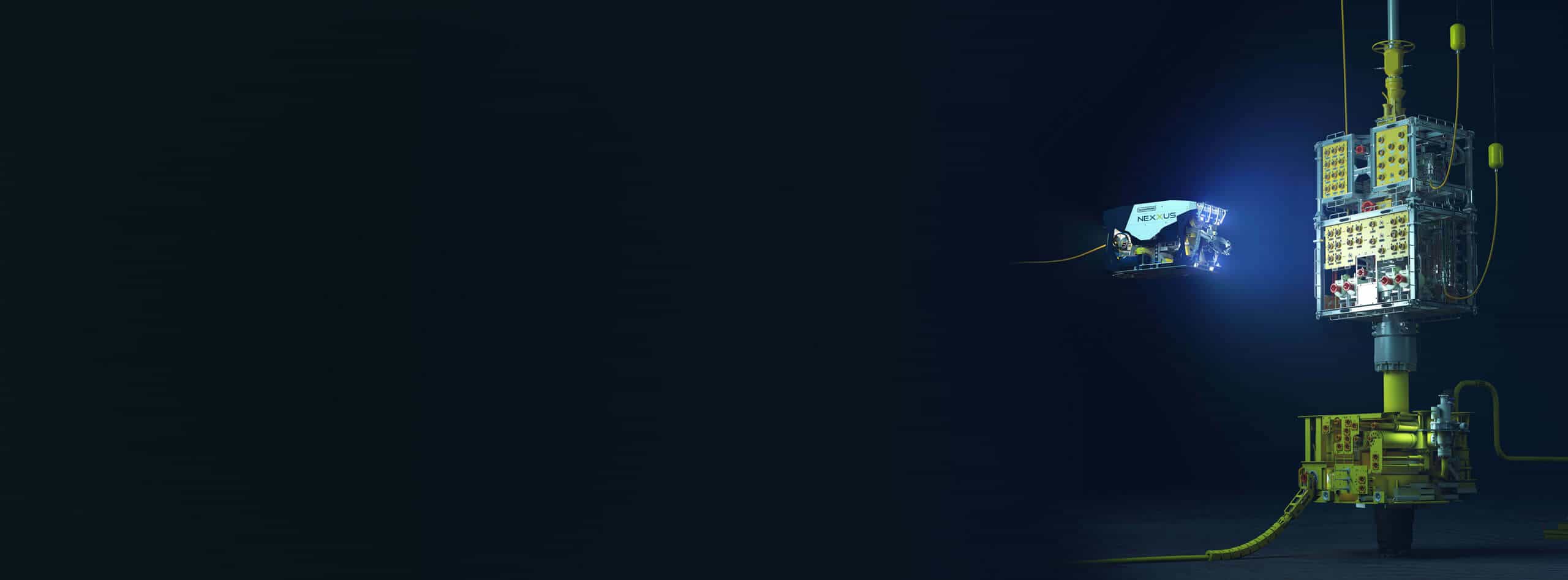
Visión general
As an industry first in the Caspian region, Oceaneering successfully completed a back-to-back seven well campaign with the deployment of the Blue Ocean Riserless Intervention System (BORIS); creating a new capability for vessel-based light well intervention offshore in Azerbaijan.
A client required an efficient method of performing light well intervention across multiple offshore wells without relying on a conventional rig-based campaign. Oceaneering delivered a fully integrated client provided vessel-based light well intervention solution, designed to reduce dependence on conventional rig-based operations while maintaining safe and efficient offshore execution in a complex offshore environment.
The scope combined BORIS dedicated well control systems, herramientas de intervención, Apoyo ROV, Slickline and Wireline services, logging and perforating capabilities, and end-to-end project delivery expertise. The successful deployment established a new intervention approach for the region and demonstrated the potential for future vessel-based well intervention operations. Performance improved significantly across the seven-well campaign as lessons learned, and procedural refinements were applied actively during the campaign.
Project Planning
During the Project Planning phase, the project team developed a detailed execution plan that coordinated personnel, equipment, engineering support, logistics, specialist expertise and operational readiness activities across more than seven of Oceaneering's global locations.
Equipment Factory Acceptance Testing (EFAT) was completed in Houston to verify system functionality, reliability and assurance prior to shipment.
Following intervention equipment spread and project team mobilization to Azerbaijan extensive planning and stakeholder coordination were needed to integrate the intervention system to the client-provided vessel. System Integration Testing (SIT), vessel integration activities, commissioning, readiness reviews, and assurance processes were conducted onshore to validate system performance and confirm operational readiness before offshore operations commenced.
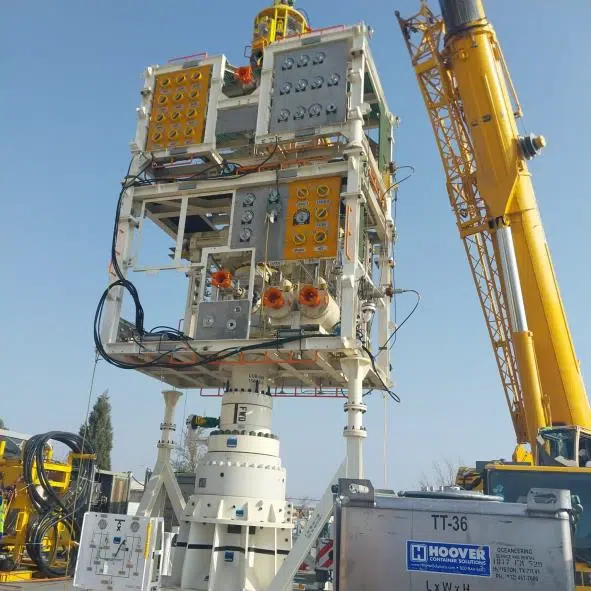
Scope of Work
- Well-entry validation, pressure testing, valve-function verification, and barrier assurance throughout the intervention sequence
- Installation and recovery of protection and isolation sleeves to enable safe well access and closeout
- Open-water upper crown-plug recovery and installation activities, including associated pressure testing
- Sleeve and valve manipulation to prepare wells for intervention operations
- Wireline operations, including drift runs, bailer runs, plug installation, and well-access verification
- Perforating activities to establish communication with target zones
- Production logging activities, including temperature, injection, and production logging (PLT)
- Caliper logging and integrity assessments to evaluate well condition
- Recovery of temporary isolation systems following intervention activities
- Final pressure testing, functional verification, as-left surveys, and well handover activities
Value Delivered
The campaign successfully demonstrated that riserless light well intervention could be delivered effectively in a region where the capability had not previously been proven.
The campaign successfully demonstrated that riserless light well intervention could be delivered effectively in a region where the capability had not previously been proven. Through robust planning, global collaboration, system readiness, and disciplined execution, the team completed interventions across seven wells while maintaining operational consistency throughout the campaign.
Continuous improvement across the seven-well campaign drove significant performance gains. By applying lessons learned, refining procedures, and building team familiarity, the team achieved the following improvements between the first and final wells:
- 83% reduction BORIS deployment time
- 61% reduction in subsea testing and hook-up time
- 42% reduction BORIS recovery time
These improvements demonstrate how the team progressively streamlined critical activities without compromising safe operational execution. The resulting experience, procedures, and execution model provide a repeatable framework for planning and delivering intervention campaigns in the region.
Beyond the technical achievement, the project demonstrated the value of global collaboration. Engineering, logistics, well control, intervention, offshore operations, and project delivery teams worked together across multiple locations to establish a new regional capability and execute the campaign safely and efficiently.
By successfully deploying BORIS in the Caspian region, the campaign not only achieved its immediate intervention goals but also demonstrated a viable alternative to conventional rig-based intervention operations. It established regional confidence in riserless intervention technology and demonstrated a viable alternative to conventional rig-based intervention operations.
